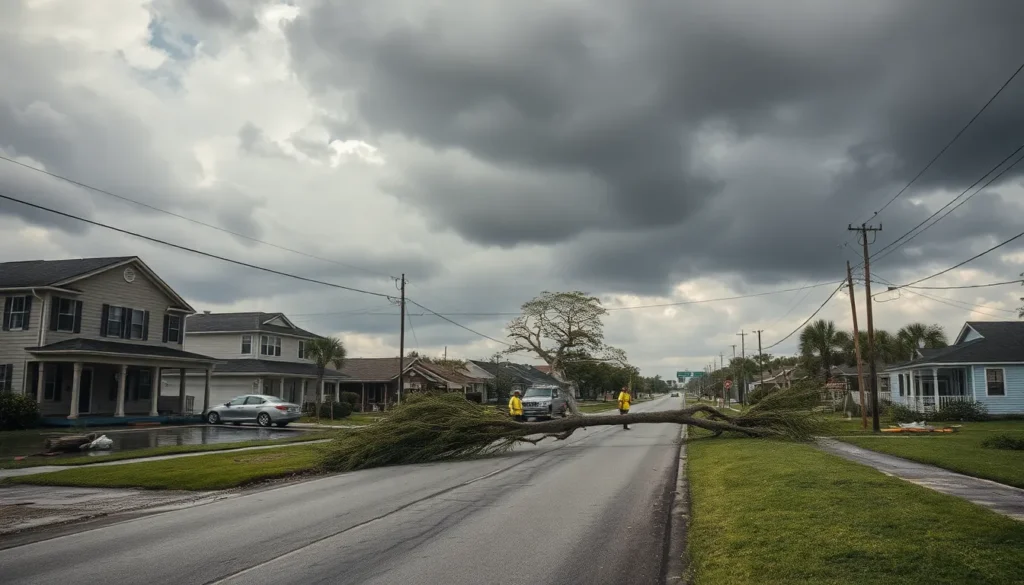
When it comes to hurricanes, timing is everything, and Milton certainly didn’t want to miss the party. This storm made its grand entrance along the coast, leaving residents scrambling for their storm supplies and perhaps a few extra snacks. But when exactly did Milton make landfall?
Background of Hurricane Milton
Hurricane Milton formed in early September 2023. It developed in the Caribbean Sea, quickly intensifying as it moved toward the mainland. Forecasters monitored its progress, noting increasing wind speeds and an organized structure that indicated potential landfall.
Residents along the Gulf Coast braced for impact. Mandatory evacuations were ordered in several areas, particularly in coastal towns. By September 10, Milton reached Category 3 status, with sustained winds exceeding 120 mph. The storm’s trajectory indicated a direct hit on several cities.
Data from the National Hurricane Center confirmed its rapid intensification. Wind shear and warm ocean waters contributed significantly to Milton’s strength. In anticipation of severe weather, many residents stocked up on essentials, including food, water, and batteries.
Reports emerged of emergency services preparing to respond to potential damage. Shelters opened to accommodate displaced individuals, ensuring safety during the storm’s peak. The decision to evacuate was crucial, as projections suggested significant storm surge and inland flooding.
As Milton approached the coast, local officials urged caution. Winds started to pick up, and heavy rainfall began affecting the region. Meteorologists issued real-time updates to keep communities informed of the storm’s path and intensity.
Milton made landfall on September 12, 2023, around 2:00 PM CDT. The storm struck with devastating force, particularly in areas near its center. Residents faced various challenges, including loss of power and property damage, as the hurricane passed through.
Timeline of Hurricane Milton

Hurricane Milton exhibited a rapid evolution from its formation to landfall, impacting the Gulf Coast significantly.
Key Dates and Events
Milton formed on September 5, 2023, in the Caribbean Sea. By September 8, it intensified to a tropical storm, prompting residents along the Gulf Coast to prepare. Hurricane status was achieved by September 10, with winds surpassing 120 mph. Shelters opened on September 11, anticipating serious impacts. Landfall occurred on September 12, 2023, at around 2:00 PM CDT, causing widespread power outages and property damage. Emergency services responded promptly, addressing the urgent needs of displaced individuals.
Track and Path
Milton’s path began in the eastern Caribbean, moving northwest toward the Gulf Coast. Meteorological data indicated a steady intensification due to favorable conditions. By September 10, projections indicated a landfall in coastal areas of Louisiana and Mississippi. Local authorities had been monitoring its trajectory closely and issuing warnings. The storm entered the Gulf of Mexico with a defined path, maintaining strength until landfall. Post-landfall analysis highlighted the storm’s abrupt turn eastward, exacerbating damage in affected regions.
Impact of Milton’s Landfall
Hurricane Milton made a significant impact upon landfall, affecting numerous regions and causing substantial damage.
Affected Regions
Louisiana bore the brunt of Milton’s destructive force. Coastal towns like Grand Isle and New Orleans faced severe impacts, with high winds and torrential rains. Mississippi also experienced heavy rainfall, leading to localized flooding. Residents in Texas felt the storm’s effects, albeit to a lesser degree, with some areas experiencing strong winds. Emergency services prioritized response efforts in the most affected communities, providing assistance to those in need.
Damage Assessment
Damage reports indicate widespread destruction due to Hurricane Milton’s landfall. Power outages affected over 300,000 customers shortly after the storm hit. Structures sustained severe damage, especially in coastal areas where winds exceeded 120 mph. Flooding led to significant property loss and necessitated emergency evacuations in several towns. Recovery efforts commenced immediately, with local and state agencies collaborating to restore power and provide resources. Residents faced challenges as they assessed the extent of damage to their homes and businesses.
Aftermath and Recovery Efforts
Hurricane Milton left a path of destruction following landfall on September 12, 2023. Communities in Louisiana experienced severe conditions. Grand Isle and New Orleans faced high winds and torrential rains that contributed to extensive property damage. Flooding occurred across Mississippi, causing localized water accumulation that disrupted daily life.
In Louisiana, over 300,000 customers lost power as a result of the storm. This critical situation prompted emergency services to mobilize quickly. They established evacuation centers and provided resources for those displaced by the flooding. Local authorities assessed damage immediately to determine the scope of recovery efforts. Many structures faced severe structural damage, complicating recovery plans.
Volunteer organizations collaborated with local and state agencies. These groups distributed food, water, and essential supplies to affected residents. They’ve also assisted with debris removal and provided temporary shelter for those without homes. The recovery timeline remains uncertain as residents work to rebuild.
In addition to immediate needs, long-term recovery plans began emerging. State officials prioritized restoring infrastructure, focusing on power lines and transportation routes. Local businesses evaluated damage to their properties while seeking financial assistance for renovations. As communities recover, the collective effort highlights resilience and the necessity of preparedness for future storms.
Hurricane Milton’s landfall on September 12, 2023, marked a significant moment for communities along the Gulf Coast. The storm’s rapid intensification and powerful winds left a lasting impact on Louisiana and surrounding areas. Recovery efforts are now underway as residents begin to rebuild their lives and restore their communities.
The challenges faced in the aftermath emphasize the importance of preparedness and the resilience of those affected. As they navigate the recovery process, collaboration among local agencies and volunteers will be crucial in ensuring that essential resources reach those in need. The lessons learned from Hurricane Milton will serve as a reminder for future storm preparedness and response.