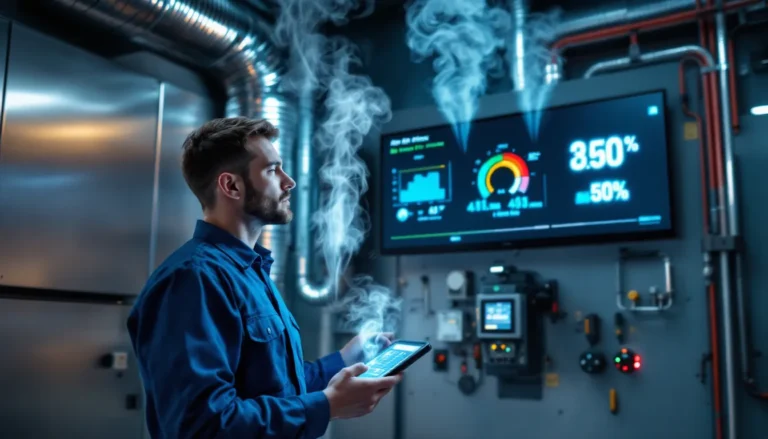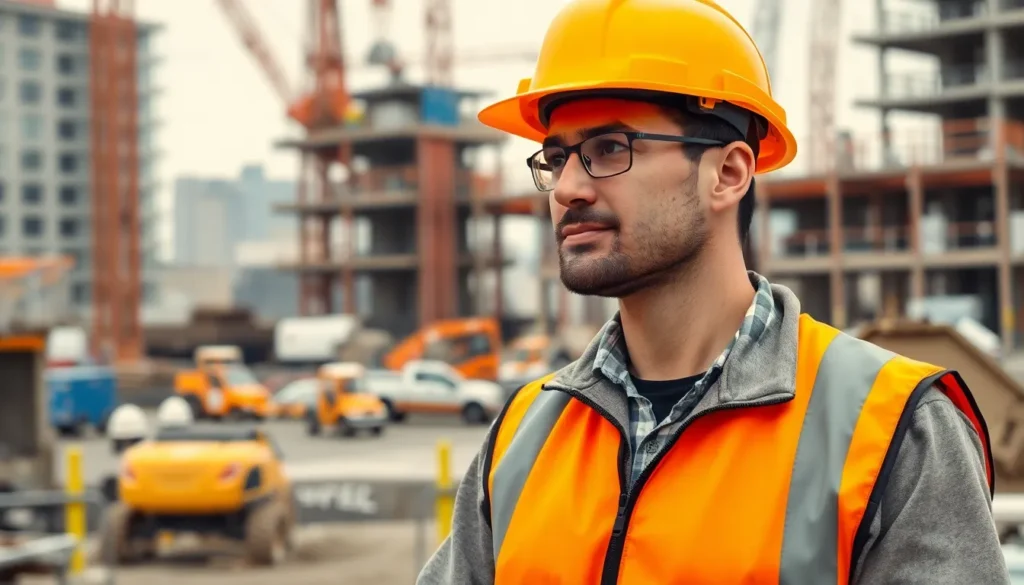
In a world where accidents can happen faster than you can say “safety first,” safety wearables are stepping up to the plate like a superhero with a cape. These innovative gadgets don’t just look cool; they’re designed to keep you safe while you tackle your daily adventures. From construction sites to outdoor escapades, they’ve got your back—literally!
Overview Of Safety Wearables
Safety wearables encompass a range of innovative devices designed to enhance personal safety across various environments, including construction sites, factories, and outdoor adventures. These gadgets integrate advanced technology to monitor environmental conditions, detect hazards, and provide real-time feedback to users.
Examples of safety wearables include smart helmets, which feature augmented reality displays and communication systems. Smart vests equipped with sensors monitor body temperature and heart rate, alerting users to potential health risks. Additionally, GPS-enabled devices help track locations, offering peace of mind to individuals working in isolated areas.
In many cases, safety wearables utilize Bluetooth or Wi-Fi connectivity. This connectivity allows seamless integration with mobile applications, enabling users to access safety data and receive notifications. Wearable technology promotes a proactive approach to safety, minimizing risks associated with workplace accidents and emergency situations.
Manufacturers prioritize user comfort and style while ensuring functionality. Wearable devices come in various designs, appealing to users across different demographics. As a result, this technology is rapidly gaining popularity among outdoor enthusiasts and professionals.
The market for safety wearables is expanding significantly, driven by increasing awareness of occupational hazards and the need for improved safety measures. Statistics show that smart wearables can reduce workplace injuries by up to 50%. As organizations adopt safety wearables, employee safety remains a central focus, making these devices crucial for modern workplaces.
Types Of Safety Wearables
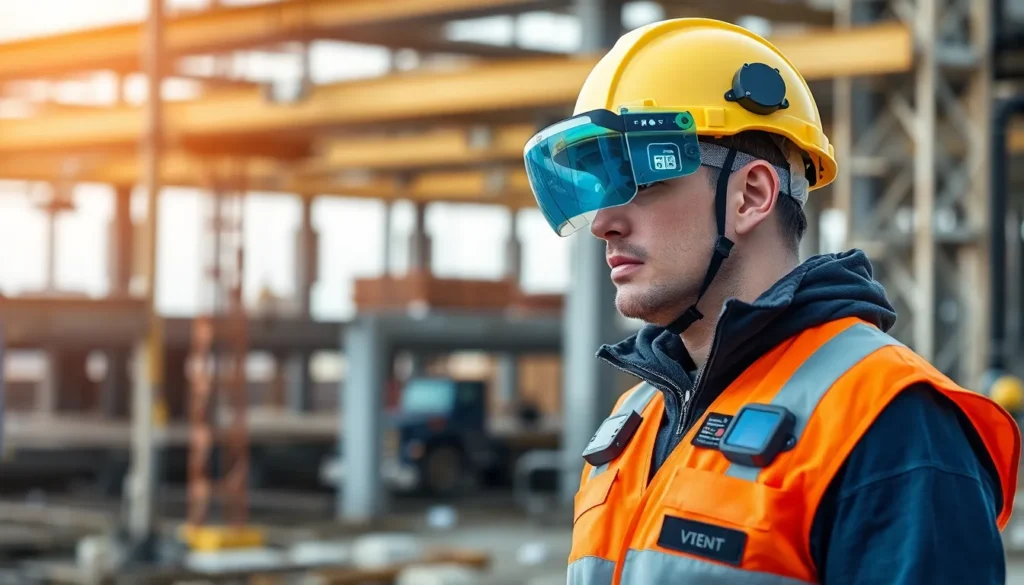
Safety wearables come in various forms, each tailored to enhance user protection and safety in specific environments. These devices play a critical role in ensuring well-being across multiple industries.
Smart Helmets
Smart helmets integrate advanced technology for protection and information delivery. Equipped with augmented reality displays, these helmets provide real-time data like hazard alerts and environmental monitoring. Users benefit from built-in sensors that detect impacts or falls, fostering immediate responses from safety teams. Many designs ensure comfort and visibility, essential for long work hours on construction sites or during outdoor activities. Battery life often lasts throughout the workday, enhancing usability and reliability.
Wearable Sensors
Wearable sensors monitor various health metrics for users in real-time. Devices capture vital signs like heart rate and body temperature, sending alerts if abnormalities occur. By utilizing Bluetooth connectivity, these sensors sync with mobile applications, allowing for instant access to health data. Some models even track environmental conditions, such as carbon monoxide levels. This holistic approach to monitoring enhances overall safety and health awareness in high-risk scenarios.
Smart Vests
Smart vests offer advanced features for monitoring health and safety during work. Built-in sensors track body movements, heart rate, and even posture, ensuring users remain aware of their physical status. These vests often come with GPS functionality, providing location tracking for enhanced safety. Designs prioritize comfort and versatility, making them suitable for various environments like construction sites and warehouses. User feedback directly influences new features, continuing to improve the safety vest’s functionality.
Benefits Of Safety Wearables
Safety wearables provide significant advantages in various environments, especially in workplaces prone to hazards. These devices prioritize user protection through innovative features designed for safety.
Enhanced Worker Safety
In high-risk environments, enhanced worker safety becomes essential. Smart helmets and vests protect individuals while providing crucial information. Real-time alerts inform users of potential dangers like hazardous gases or falls. The integration of biometric sensors detects health issues, allowing immediate responses. Each feature collectively contributes to a safer workplace, reducing accident rates.
Real-Time Monitoring
Real-time monitoring represents a key benefit of safety wearables. These devices constantly track environmental conditions such as temperature and air quality. Instant notifications keep users informed about their surroundings, enabling proactive measures. For instance, workers can receive alerts when redefining safety thresholds are breached. Continuous monitoring fosters a safer work environment by facilitating quick decision-making in emergencies.
Data Collection And Analysis
Data collection and analysis play a vital role in improving safety wearables. These devices gather extensive information on user health and environmental conditions. Organizations can analyze this data to identify trends and enhance safety protocols. Patterns may reveal common hazards or health concerns, leading to targeted interventions. Additionally, comprehensive analytics drive the development of future safety innovations, ensuring ongoing improvements in protection effectiveness.
Challenges In Implementing Safety Wearables
Safety wearables face several challenges that can hinder their implementation in various environments.
Cost Considerations
High initial costs often deter organizations from adopting safety wearables. Budget constraints play a significant role, especially for small and medium-sized enterprises. Long-term benefits may offset these costs, yet upfront investments remain a barrier. Only organizations that prioritize employee safety tend to allocate funds for these devices. As manufacturers strive to lower production expenses, competitive pricing could enhance affordability.
User Acceptance
User acceptance of safety wearables presents another challenge. Some individuals may resist adopting new technology due to distrust or discomfort. Training plays a crucial role, as employees need to understand device functionality for effective use. Ensuring that wearables are user-friendly can significantly enhance acceptance levels. Gathering feedback from employees during the design phase can foster a sense of ownership and promote usability.
Integration With Existing Systems
Integrating safety wearables with existing systems poses technical challenges. Compatibility issues can arise, particularly with legacy systems or diverse technology environments. Organizations must ensure seamless data flow for effective monitoring and communication. Training staff to adapt to integrated solutions is equally important. Prioritizing robust support from technology providers can facilitate smoother transitions and enhance efficiency.
Future Trends In Safety Wearables
Safety wearables are evolving rapidly, integrating groundbreaking technologies to enhance functionality and user experience. Devices feature increased connectivity through 5G networks, enabling faster data transmission and real-time communication between users and safety managers. Smart helmets are incorporating artificial intelligence to analyze data and provide predictive alerts, identifying potential hazards before they can impact users.
Another trend includes improved battery life and energy efficiency. Longer-lasting batteries minimize downtime, ensuring users remain protected throughout extended work shifts. Wearable sensors are becoming more compact and lightweight, prioritizing user comfort without sacrificing performance.
Augmented reality continues to play a significant role in safety wearables. Smart glasses equipped with AR offer hands-free access to vital information, such as blueprints or safety protocols, allowing workers to focus on tasks without distraction. These advancements foster an environment where safety is seamlessly integrated into daily operations.
Artificial intelligence is also enhancing data analytics capabilities. Organizations benefit from comprehensive safety data that identifies patterns and informs training programs. This innovative approach to safety management encourages continuous improvement in safety protocols.
Moreover, the emphasis on user customization is growing. Wearers can personalize their devices to suit specific job requirements or personal preferences. This adaptability improves overall user acceptance and compliance, leading to increased safety awareness.
Collaboration with tech companies is on the rise as manufacturers seek to enhance product offerings. Partnerships integrate cutting-edge technologies into safety wearables, enriching user experiences and fostering innovation.
As these trends continue, the market for safety wearables will expand. User adoption will increase as organizations recognize the long-term benefits associated with implementing these advanced technologies.
Safety wearables are transforming the landscape of personal protection across various industries. Their ability to monitor environmental conditions and provide real-time feedback not only enhances individual safety but also fosters a culture of awareness and responsibility. As technology continues to evolve, these devices will likely become even more integrated into daily operations, promoting proactive safety measures.
The growing market reflects a shift towards prioritizing employee well-being and minimizing workplace risks. By addressing challenges such as cost and user acceptance, organizations can fully leverage the potential of safety wearables. As adoption increases, the benefits will extend beyond immediate safety, paving the way for a safer and more efficient work environment.