
Transferring gun ownership in Texas might seem as complicated as deciphering a cowboy’s secret recipe for chili, but it doesn’t have to be. Whether you’re passing down a cherished heirloom or just upgrading your collection, knowing the ins and outs of the process can save you time and headaches. After all, nobody wants to be caught in a legal shootout over paperwork!
Understanding Gun Ownership in Texas
Gun ownership in Texas involves specific legal guidelines and potential benefits. Understanding these elements is essential for anyone involved in transferring gun ownership.
Legal Requirements for Gun Ownership
Texas law mandates individuals wishing to own firearms to meet certain criteria. Citizens must be at least 18 years old for rifles and shotguns, while handgun ownership requires individuals to be at least 21 years old. Eligibility extends to U.S. citizens or legal residents without felony convictions. Background checks aren’t mandatory for private sales, but they do offer a safety net for both parties involved. Documenting the transfer, even in private transactions, helps maintain clarity and accountability throughout the process.
Benefits of Transferring Gun Ownership
Transferring gun ownership provides several advantages. One primary benefit involves ensuring legal compliance during ownership changes. Knives or rifles passed down through families bring a sense of tradition and nostalgia, enhancing their sentimental value. Upgrading a collection benefits enthusiasts who wish to trade or sell firearms that no longer suit their interests. Avoiding disputes among heirs becomes easier with clearly defined transfers, as recorded paperwork solidifies ownership and intentions. Documenting the process fosters smoother transitions and promotes responsible ownership within the community.
Steps to Transfer Gun Ownership in Texas
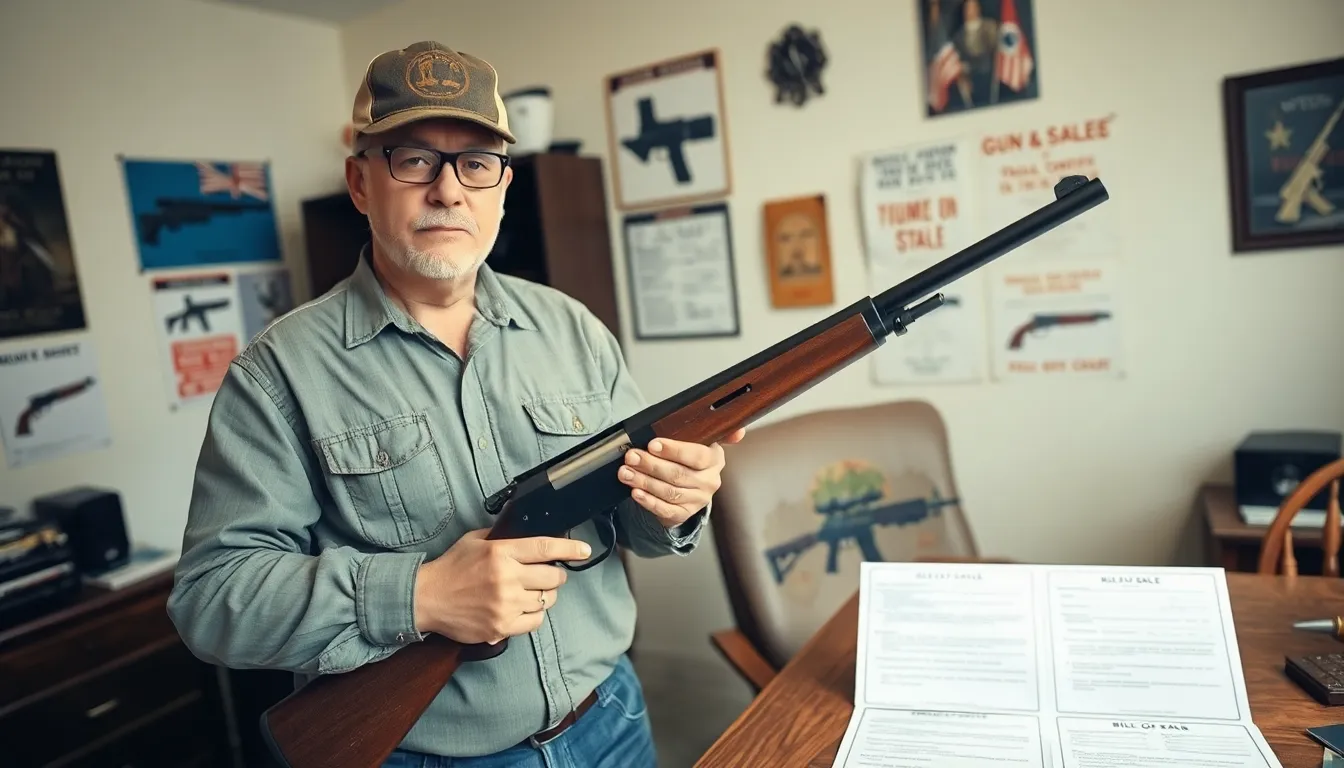
Transferring gun ownership in Texas involves several key steps that ensure compliance with state laws. Understanding these steps simplifies the process significantly.
Preparing for the Transfer
Gather necessary information before initiating the transfer. Identify the type of firearm, whether it’s a rifle, shotgun, or handgun. Verify the eligibility of both the transferor and the transferee regarding age and legal status. Ensure the transferee is at least 18 for rifles and shotguns or 21 for handguns. Obtain a bill of sale or transfer form to document the exchange. Maintaining a record protects all parties involved and aids in future accountability.
Choosing the Right Method for Transfer
Evaluate different methods for transferring ownership based on circumstances. Private sales between individuals don’t require background checks, but documenting the sale is critical. Alternatively, utilize a licensed firearm dealer for the transfer. They provide necessary paperwork and can conduct background checks, ensuring adherence to regulations. Select the method that best fits the situation, while prioritizing legal compliance and clear communication.
Types of Gun Transfers
Transferring gun ownership in Texas occurs through various methods. Each method has unique procedures and legal requirements.
Private Sales
Private sales represent a common way to transfer firearms. Sellers and buyers may negotiate directly, which boosts convenience. While the law doesn’t mandate background checks for private sales, verifying eligibility is crucial. Texas law requires the buyer to be at least 18 for shotguns and rifles, and 21 for handguns. Creating a bill of sale is recommended for documentation. This document serves as proof of the transaction and outlines specific details, including the firearm’s make, model, and serial number. Clear communication between both parties helps prevent misunderstandings.
Dealer Sales
Dealer sales differ from private sales by involving a licensed firearms dealer. The dealer facilitates the transfer and conducts necessary background checks. These checks ensure compliance with federal and state laws, promoting responsible ownership. Additional paperwork, such as a Form 4473, is often necessary to document the sale. Dealers keep records of all transactions, creating an accountability trail. Both sellers and buyers benefit from the security and assurance that comes with dealer involvement, especially for high-value guns. Knowing the legal framework diminishes the risk of future complications.
Completing the Transfer Process
Completing the gun ownership transfer process in Texas involves essential steps to ensure compliance and accountability.
Documentation Required
Documentation plays a critical role in the transfer of gun ownership. A bill of sale serves as primary documentation, detailing important information about the firearm, buyer, and seller. Both parties should record the make, model, serial number, and any modifications. While not mandatory, a driver’s license or ID helps verify identities. Keeping copies of all documents ensures proper records are maintained, aiding in future clarifications.
Background Checks and Waiting Periods
In Texas, background checks aren’t required for private sales, but they are vital in dealer transactions. Licensed dealers conduct background checks to confirm eligibility before completing the sale. This process helps maintain responsible gun ownership. There’s no waiting period for gun transfers in Texas, allowing for immediate possession once the transfer is finalized. Buyers and sellers benefit from understanding these processes to promote legal compliance and safety.
Common Mistakes to Avoid
Transferring gun ownership in Texas requires attention to detail and compliance with legal standards. Avoiding common pitfalls can ensure a smoother process.
Misunderstanding Legal Obligations
Understanding legal obligations is crucial for a successful transfer. Many individuals confuse federal and state regulations. Texas law mandates individuals be at least 18 years old for long guns and 21 years for handguns. Heirs might assume that no formal transfer is required, but that isn’t true; failing to document the transfer can lead to complications. Buyers and sellers must verify eligibility by checking for felony convictions and confirming citizenship or residency status. To navigate these regulations effectively, one can consult resources from the Texas Department of Public Safety or legal experts.
Failing to Keep Records
Failing to keep records can lead to misunderstandings later. Documentation serves as proof of the transaction, contributing to accountability. A bill of sale should include specific details such as the firearm’s make, model, and serial number. Sellers may overlook the significance of retaining a copy, but it can provide protection against potential legal issues. When dealing with private sales, both parties should maintain copies of identification, which further clarifies the individuals involved. Keeping thorough records helps guard against disputes and supports responsible ownership.
Transferring gun ownership in Texas is a manageable process when approached with the right knowledge and preparation. Understanding the legal requirements and ensuring proper documentation helps avoid potential pitfalls. Whether it’s a private sale or through a licensed dealer, clarity and communication are key to a successful transfer.
By keeping thorough records and verifying eligibility, individuals can enjoy peace of mind throughout the process. Emphasizing responsible ownership not only fosters a smoother transition but also strengthens the community’s commitment to safety and legality. With the right steps taken, transferring gun ownership can be a seamless experience that honors traditions and supports responsible practices.