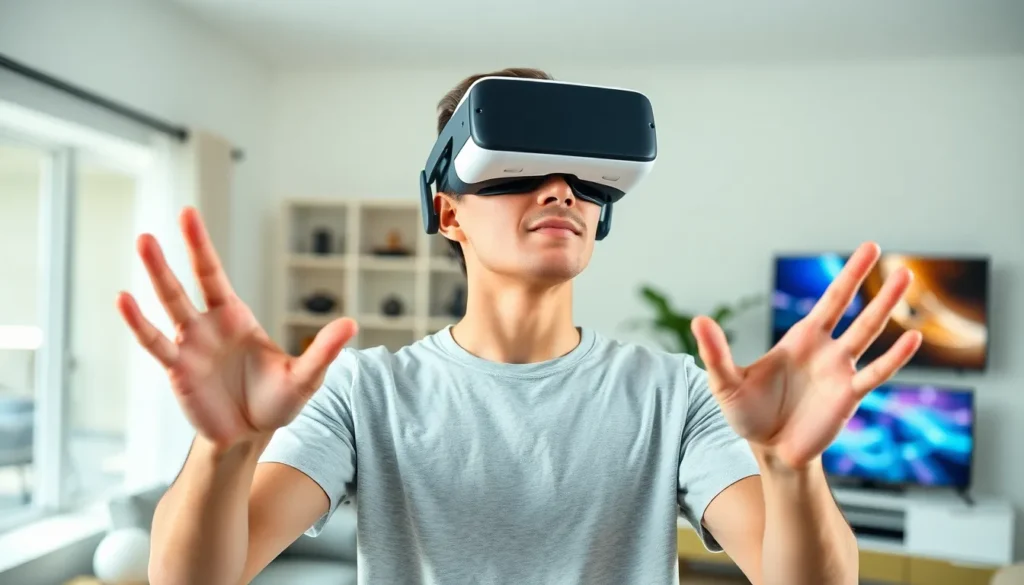
Virtual reality has transformed the way people experience gaming, entertainment, and even education. With immersive environments and interactive gameplay, VR headsets have become essential tools for anyone looking to dive into a new world. As technology advances, the market is flooded with options, making it challenging to choose the right one.
From high-end devices that deliver stunning graphics to more affordable models perfect for casual users, the best VR headsets cater to a variety of needs and budgets. This guide will explore the top contenders, highlighting their features, performance, and overall value. Whether you’re a seasoned gamer or just curious about VR, finding the perfect headset can elevate your experience to new heights.
Overview of VR Technology
Virtual reality (VR) technology simulates immersive environments through computer-generated visuals, sounds, and other sensory stimuli. Users wear VR headsets that transport them to diverse virtual realms, enhancing gaming, training simulations, and educational experiences.
VR systems utilize tracking sensors and motion controllers to detect user movements, facilitating interaction with the virtual environment. Major components include:
- Display: High-resolution screens provide clear images, boosting the level of immersion.
- Audio: Spatial audio systems create realistic soundscapes, aiding in user engagement and presence.
- Tracking: Inside-out or outside-in tracking systems enable accurate motion detection, improving user experience.
Software ecosystems support VR applications across various fields. Specialty content ranges from gaming titles to training modules in healthcare and aviation. Industry leaders drive innovation in VR, continuously advancing hardware specifications, such as processing power and field of view.
The evolution of VR technology emphasizes accessibility. Entry-level headsets cater to casual users, while high-performance models target serious gamers and professionals. Budget constraints do not hinder significant advancements in the overall user experience.
As VR continues to evolve, it plays a critical role in shaping interactive entertainment and educational methods. Current advancements promise to expand VR’s applications further, enhancing its impact across multiple sectors.
Factors to Consider When Choosing a VR Headset
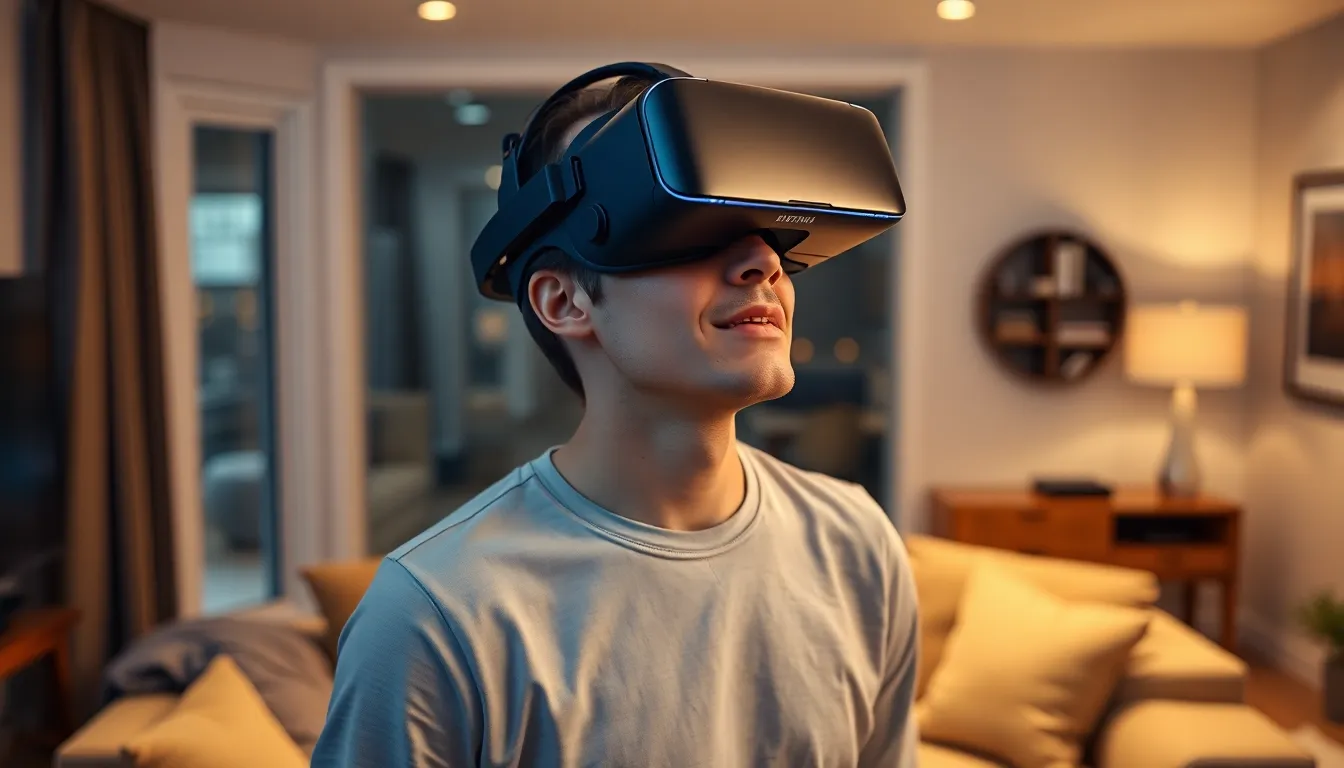
When selecting a VR headset, several factors significantly influence the overall experience. Users should focus on display quality, comfort and fit, and motion tracking capabilities.
Display Quality
Display quality remains a crucial aspect of any VR headset. High-resolution screens enhance clarity and minimize pixelation, providing a more immersive experience. Look for headsets with resolutions at least 2160 x 1200 pixels, which delivers sharp visuals. Refresh rates above 90 Hz reduce motion blur and provide smoother movement in virtual environments. Additionally, consider the field of view (FOV); a wider FOV, ideally between 100 to 110 degrees, creates a more encompassing experience that mimics real life.
Comfort and Fit
Comfort and fit play vital roles in prolonged VR sessions. Headsets should have adjustable straps, allowing users to customize the fit for optimal balance and support. Weight distribution is also important; lighter headsets prevent fatigue during extended use. Soft padding around the eye and forehead areas enhances comfort, reducing pressure points. Importantly, users should also check the headset’s adjustability to accommodate glasses for those who require corrective lenses.
Motion Tracking
Motion tracking influences user interaction within VR environments. Accurate tracking systems ensure seamless movements and gestures, enhancing immersion. Look for headsets with inside-out tracking technology, which uses built-in cameras to map surroundings and detect movement without external sensors. Six degrees of freedom (6DoF) tracking allows for full-range motion, including leaning, ducking, and walking, providing more engaging gameplay. Additionally, check for compatibility with external tracking systems like base stations for improved precision and responsiveness.
Top VR Headsets in 2023
Several VR headsets in 2023 stand out for their features, performance, and value. These devices cater to a range of users, from casual gamers to dedicated professionals.
Oculus Quest 2
Oculus Quest 2 remains a top contender in the VR market. With a resolution of 1832 x 1920 pixels per eye, it offers sharp visuals. Weighing 503 grams, its lightweight design ensures comfort during extended sessions. The headset features inside-out tracking and supports a wide library of games and applications, making it suitable for both newcomers and experienced users.
PlayStation VR2
PlayStation VR2 provides an immersive experience for PlayStation 5 owners. Featuring a stunning 2000 x 2040 pixels per eye display, it enhances game visuals significantly. Its advanced haptic feedback technology in the headset and controllers creates a more engaging experience. The lightweight build and adjustable lenses cater to users with varying vision needs.
HTC Vive Pro 2
HTC Vive Pro 2 excels in high-end VR experiences. With a remarkable 2448 x 2448 pixels per eye resolution, it delivers crisp images. The headset includes precise motion tracking and a 120 Hz refresh rate for fluid motion. It also incorporates high-fidelity audio, which enhances the overall immersive experience.
Valve Index
Valve Index attracts serious gamers with its high-performance features. The 1440 x 1600 pixels per eye resolution offers clarity during gameplay. Its unique finger-tracking controllers allow for intricate hand movements, providing a more natural interaction. Combined with a 120 Hz refresh rate and adjustable field of view, this headset stands out in the competitive market.
HP Reverb G2
HP Reverb G2 targets both gamers and professionals seeking high-quality visuals. With a resolution of 2160 x 2160 pixels per eye, it provides stunning clarity. The headset features built-in speakers with spatial audio for an immersive sound experience. Comfort-focused design elements, such as adjustable straps, enhance usability for prolonged use.
Comparing Price and Value
Evaluating price and value of VR headsets requires careful consideration of several factors, including features, performance, and target users. This analysis aids in identifying the best options for various budgets and requirements.
| VR Headset | Price Range | Key Features | Value Proposition |
|---|---|---|---|
| Oculus Quest 2 | $299 – $399 | High-resolution display, standalone capability | Great entry point for newcomers with strong performance. |
| PlayStation VR2 | $549 | Advanced haptics, 4K HDR display | Ideal for PlayStation 5 users wanting a premium experience. |
| HTC Vive Pro 2 | $799 | 2448 x 2448 resolution, superior motion tracking | Best for serious VR enthusiasts seeking high-end experiences. |
| Valve Index | $999 | Finger-tracking controllers, high refresh rate | Excellent for dedicated gamers who prioritize immersion. |
| HP Reverb G2 | $599 | 2160 x 2160 resolution, comfortable design | Balances quality and comfort for gamers and professionals. |
Price variations stem from each headset’s technology and target demographic. Standalone headsets like the Oculus Quest 2 provide convenience without needing a gaming PC, appealing to budget-conscious users. High-end headsets, such as the HTC Vive Pro 2, offer premium experiences but at a higher cost.
Performance metrics also impact perceived value. Higher resolutions and refresh rates enhance the user experience significantly, justifying the increased price for discerning users. It’s common for serious gamers to invest more for better visual quality and tracking capabilities.
Target audience influences value assessment. Casual gamers might prioritize affordability, looking for functional headsets that deliver satisfactory experiences. In contrast, professionals often consider advanced features essential for training simulations or immersive applications.
Ultimately, understanding individual needs and preferences helps determine the right balance between price and value when selecting a VR headset. Each option has strengths tailored to specific audiences, making informed comparisons crucial for the best purchase decision.
Choosing the right VR headset can significantly enhance the immersive experience across gaming, entertainment, and education. With a variety of options available, from budget-friendly to high-end models, users can find a headset that suits their needs and preferences. Key features like display quality, comfort, and motion tracking play a vital role in ensuring satisfaction.
As VR technology continues to evolve, the future promises even more advancements and applications. Whether for casual use or professional training, the right headset can open doors to new experiences. By understanding individual requirements and evaluating the best options, users can confidently step into the world of virtual reality.