
In today’s digital landscape, APIs play a crucial role in connecting applications and enabling seamless data exchange. However, as the demand for these connections grows, so does the need for managing how often users can access these APIs. This is where API rate limits come into play.
API rate limits are essential for maintaining the stability and performance of services. They prevent abuse and ensure fair usage among all users. Understanding how these limits work can help developers optimize their applications and enhance user experience. Whether you’re a seasoned developer or just starting out, grasping the concept of API rate limits is vital for effective API management.
Understanding API Rate Limits
API rate limits define the maximum number of requests a user or application can make within a specific time period. They serve to ensure fair access to shared resources while maintaining application performance.
What Is an API Rate Limit?
An API rate limit sets the boundaries on how frequently a client can interact with an API. This limit often consists of a count of requests, such as 100 requests per minute or 2000 requests per hour. Organizations typically implement these limits to prevent abuse and manage server load effectively. Developers receive error messages, such as HTTP status code 429, when they exceed these limits, indicating they must wait before making new requests.
Importance of API Rate Limits
API rate limits play a critical role in ensuring system integrity and user experience. They help prevent service outages caused by excessive traffic, safeguarding application performance during peak usage. Rate limits also foster equitable resource distribution among users, minimizing the risk of any single user monopolizing access. Additionally, understanding these limits empowers developers to optimize application behavior, enhance user interactions, and plan for growth without compromising service quality.
Types of API Rate Limits
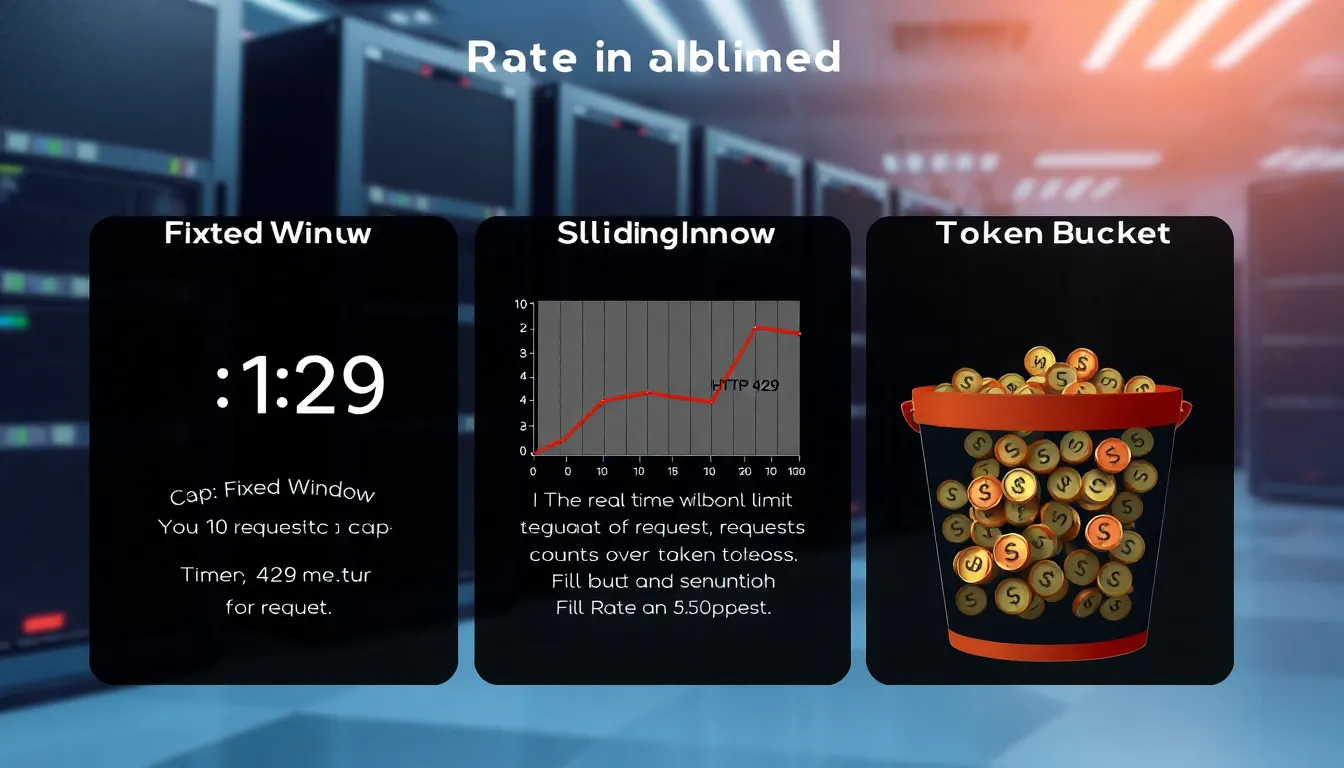
API rate limits vary by implementation, with several common strategies employed to manage request quotas efficiently. Understanding these types aids in selecting the appropriate method for specific application needs.
Fixed Window Rate Limiting
Fixed window rate limiting allocates a specific number of requests that a user can make within a defined time interval. For example, an API may permit 100 requests per minute. Once the user reaches this limit, any additional requests within that minute receive an HTTP 429 status code. This method is straightforward but may lead to “burst” traffic, as requests can be concentrated at the beginning of each time window.
Sliding Window Rate Limiting
Sliding window rate limiting offers more flexibility than fixed window limits. This method allows requests to be counted over the most recent set period. For instance, if a user can make 100 requests in the last 60 seconds, the rate limit adjusts dynamically as time progresses. This approach smooths out burst activity and provides better management of overall API usage, enhancing the user experience.
Token Bucket Rate Limiting
Token bucket rate limiting utilizes a bucket that fills with tokens at a defined rate. Users spend tokens to make requests, with each request consuming one token. For example, if the bucket fills at a rate of one token per second, a user could have a maximum capacity of 10 tokens. Once the bucket is empty, the user cannot send additional requests until new tokens are available. This method allows for bursts of traffic while effectively controlling the overall request rate over time.
Implementing API Rate Limits
Implementing effective API rate limits ensures stable application performance, fair resource distribution, and prevention of abuse. The following best practices and tools assist developers in establishing robust rate limiting for their APIs.
Best Practices for API Rate Limiting
- Define Clear Limits: Establish clear, quantifiable limits based on user needs, such as 100 requests per minute or 1,000 requests per hour. Tailor these limits to user roles, ensuring higher limits for premium users.
- Communicate Limits: Clearly communicate rate limits through documentation and response headers (e.g.,
X-RateLimit-Limit,X-RateLimit-Remaining). This informs users about their current usage and remaining quota. - Implement Graceful Handling: Return informative error responses when limits are exceeded, utilizing HTTP status code 429. This response should include details about when the limit resets and how users can manage their requests better.
- Monitor and Adjust: Regularly monitor API usage patterns. Adjust limits based on demand, performance metrics, and user feedback to optimize service quality while balancing server load.
- Incorporate Exponential Backoff: Encourage clients to retry requests after a rate limit is hit, implementing an exponential backoff strategy. This mechanism helps prevent further overload during peaks and allows for gradual recovery.
Tools and Libraries for Rate Limiting
- Express Rate Limit: A middleware for Node.js applications that provides simple and configurable rate limiting. It allows developers to define limits per user IP, making it easy to implement on Express.js APIs.
- Redis: As an in-memory data structure store, Redis can manage rate limits effectively. Developers can implement token bucket algorithms or counters for dynamic rate limiting, ensuring high performance under load.
- Bucket4J: A Java library that offers token bucket rate limiting. Its flexible configuration suits various applications, allowing developers to enforce limits through annotations or programmatic APIs.
- API Gateway Solutions: AWS API Gateway and Kong provide built-in rate limiting features. These platforms offer extensive management capabilities, allowing for analytics, user management, and customized rate limiting policies.
- Python Libraries: Libraries like Flask-Limiter and Django Ratelimit facilitate rate limiting in Python-based web applications. They integrate seamlessly with existing frameworks, providing decorators for easy implementation.
Impact of API Rate Limits on Users
API rate limits significantly affect users by shaping their interaction experience with applications. Understanding these limits helps ensure seamless access to services while maintaining optimal performance.
User Experience Considerations
User experience suffers when rate limits are unclear or overly restrictive. Users may encounter delays or disruptions, leading to frustration. It’s essential for developers to clearly communicate rate limits to users through documentation and in-app messages. Offering insight into remaining request quotas enhances transparency and allows users to manage their expectations effectively. By implementing an effective user experience strategy, developers enable users to navigate applications confidently without facing unexpected interruptions.
Managing Expectations with Rate Limits
Managing expectations around API rate limits requires consistent communication. Clear guidelines on request allowances help users understand how to optimize their usage. Developers should display current rate limit statuses within applications, indicating how many requests are available and the reset timeframe. When users realize these limits aim to ensure fair access and application stability, user satisfaction increases. Providing proactive support in the form of error handling and guidance during limit breaches enhances the overall experience, promoting user retention and engagement.
API rate limits play a vital role in maintaining the balance between performance and accessibility in application development. By implementing these limits, developers can ensure fair resource distribution while preventing potential overloads. Understanding the nuances of various rate-limiting strategies allows for tailored solutions that meet specific application needs.
Clear communication of rate limits enhances user experience and fosters trust. Developers should strive to provide transparency regarding usage and remaining quotas. By prioritizing effective rate-limiting practices, they can not only optimize application performance but also improve user satisfaction and engagement. Embracing these principles will empower developers to build resilient applications that thrive in today’s demanding digital landscape.