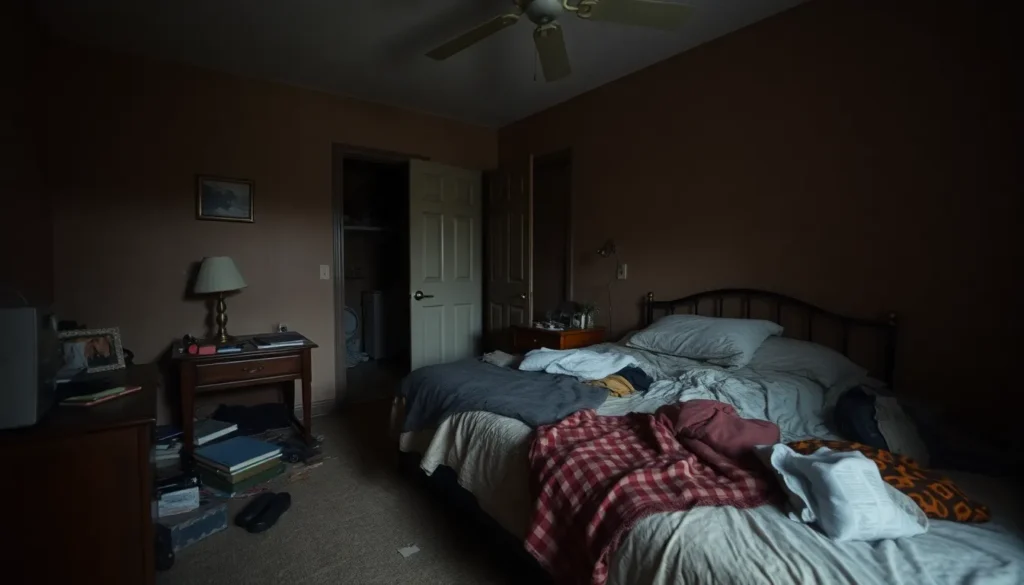
In a world where true crime stories often blur the line between horror and fascination, the case of Gypsy Blanchard stands out like a neon sign in a dark alley. The chilling crime scene photos tell a story that’s both tragic and bizarre, capturing the unsettling reality of a life shrouded in deception. Gypsy’s tale isn’t just about crime; it’s a twisted narrative that leaves many questioning how far one will go for freedom.
As viewers delve into the haunting images, they’ll find themselves grappling with a mix of sympathy and disbelief. The photos reveal a shocking glimpse into a life marked by manipulation and betrayal. It’s a reminder that sometimes, truth is stranger than fiction, and in this case, it’s a wild ride you won’t want to miss. Buckle up as we explore the layers of this gripping story and the images that encapsulate its dark essence.
Overview of Gypsy Blanchard Case
The Gypsy Blanchard case centers around a young woman involved in a shocking act of violence against her mother, Dee Dee Blanchard. Born in 1991, Gypsy experienced severe medical abuse throughout her childhood, as her mother fabricated illnesses and disabilities. This manipulation led to Gypsy’s believing she suffered from various health issues, often resulting in unnecessary medical treatments.
Manipulation played a significant role in Gypsy’s life. Dee Dee kept Gypsy isolated, claiming she needed round-the-clock care. This control extended to many aspects of Gypsy’s existence, from friendships to her use of mobility aids. Reports indicate that Gypsy was not even aware of her actual age until she gained access to the internet.
In 2015, the situation reached a tragic climax when Gypsy and her boyfriend, Nicholas Godejohn, killed Dee Dee. The act was premeditated, revealing Gypsy’s desperation to escape her mother’s oppressive grasp. Law enforcement found Dee Dee’s body in her home, prompting an extensive investigation into the circumstances surrounding her death.
Crime scene photos documented the unsettling reality within the Blanchard household. These images illustrate a life dominated by deceit and control. Investigators uncovered evidence of both psychological and physical abuse, leading to widespread public interest in Gypsy’s story.
Both Gypsy and Nicholas faced legal consequences for their actions. Gypsy received a plea deal, resulting in a 10-year prison sentence. Godejohn’s case progressed differently, illustrating the complexities involved in their shared crime. This case raises significant discussions about abuse, mental health, and the legal system’s response to victims.
Examination of Crime Scene Photos
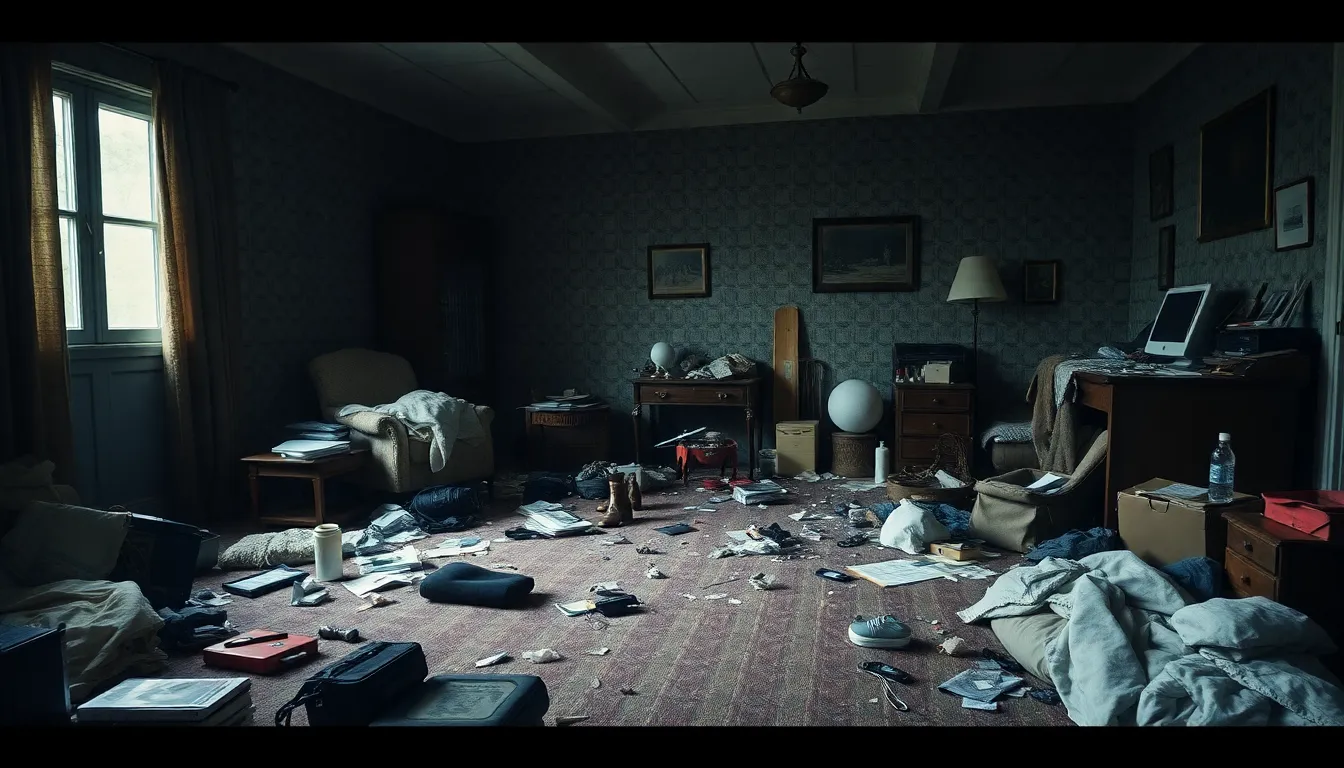
Crime scene photos serve as crucial elements in understanding the Gypsy Blanchard case. They reveal stark realities behind the facade of normalcy and illustrate the implications of Dee Dee Blanchard’s manipulation.
Importance of Visual Evidence
Visual evidence provides clarity in chaotic situations. Photos capture real-time details that words alone cannot convey, such as the state of the crime scene and the items present. These images enable investigators to analyze the surroundings, supporting testimonies from witnesses and involved parties. They also aid in reconstructing events leading up to the crime, fostering a comprehensive understanding. Media coverage often showcases these photos, shaping public perception and highlighting the darker aspects of the case. Through visual context, audiences grasp the intensity of Gypsy’s plight and the severity of the situation.
Ethical Considerations in Sharing Photos
Ethics play a significant role in the distribution of crime scene photos. Sharing such images can compromise the dignity of victims and their families. Additionally, widespread dissemination may contribute to sensationalism and voyeurism. Balancing educational value and respect for privacy proves crucial in discussions surrounding the case. Law enforcement agencies often restrict access to photos, aiming to safeguard the integrity of ongoing investigations and trials. Consideration of the emotional impact on individuals involved emphasizes the need for responsible sharing. Responsible dialogue about these images promotes awareness while respecting those affected by the tragedy.
Analysis of Key Details in the Photos
Examining the crime scene photos reveals crucial insights into the events surrounding the Gypsy Blanchard case. Each detail captured in the images contributes to understanding the complexity of the situation.
Location and Setting
The location of the crime significantly influences its narrative. Photos show Dee Dee Blanchard’s home, a seemingly ordinary house that concealed extraordinary dysfunction. The setting, though typical, highlights the stark contrast between public perception and the reality inside. Room layouts suggest a space designed for control, with Gypsy’s confinement evident in various features. Items in the home reflect the oppressive environment, from medical supplies to children’s toys. Investigators focused on specific areas, revealing signs of struggle and indicating a violent confrontation. Forensic teams documented everything, which painted a clearer picture of the circumstances leading to Dee Dee’s death.
Forensic Insights
Forensic analysis from the photos offers critical evidence. Examination of the blood spatter pattern provides insights into the nature and dynamics of the attack. The presence of specific objects, such as the murder weapon, helps reconstruct the sequence of events. Experts studied the photos to identify potential fingerprints and other trace evidence that may have been overlooked during the initial investigation. Results from these analyses contributed to the timeline of actions taken by both Gypsy and Nicholas. Each image enhances understanding of the psychological and physical aspects present during the crime. Investigators relied heavily on these details to establish a comprehensive narrative of the tragic event.
Public Reactions and Media Coverage
Public reactions to the Gypsy Blanchard case varied widely, reflecting a complex emotional landscape. Shock often dominated responses, as many struggled to reconcile the brutal act with Gypsy’s traumatic upbringing. Sympathy for Gypsy emerged alongside condemnation for her actions, creating a polarizing debate over victimhood and culpability.
Media coverage played a significant role in shaping these reactions. Numerous outlets reported extensively on the crime and its background, captivated by the narrative of abuse and betrayal. Major news networks broadcast interviews with experts, victims’ advocates, and involved parties, contributing to a broader understanding of the psychological issues at play. Coverage often included crime scene photos, providing visual context that intensified public interest and scrutiny.
Social media platforms became hotbeds for discussion, allowing users to share opinions and dissect details. Hashtags related to the case trended, reflecting ongoing fascination and outrage. Comments often ranged from supportive messages directed at Gypsy to harsh criticisms of her choices. Such interactions highlighted the duality of public sentiment, where empathy battled with moral judgment.
Ethical concerns regarding the display of crime scene photos also surfaced. Critics questioned the motives behind releasing graphic images, arguing the potential for exploitation. Advocates for the victims underscored the importance of responsible media practices. Balancing educational intent against the distress caused to families involved remains a critical topic in ongoing discussions.
News coverage’s lasting impact shows how cases like Gypsy Blanchard’s can provoke deep societal reflections. Many people find her story resonates beyond individual circumstances, raising essential questions about mental health, abuse, and justice. The complexity of public reaction underscores the need for compassionate dialogue surrounding these narratives.
The Gypsy Blanchard case serves as a haunting illustration of the complexities surrounding abuse and survival. The crime scene photos capture a moment frozen in time that reveals the dark realities of manipulation and control. They provoke thought and discussion about the nature of victimhood and accountability.
As public interest continues to grow, the ethical implications of sharing such images remain a critical topic. Balancing the need for awareness with respect for those affected is essential. This case not only sheds light on the depths of human experience but also challenges society to reflect on its understanding of mental health and justice.